

Medical Humanities Student Symposium 2026-Health Beyond the Clinic
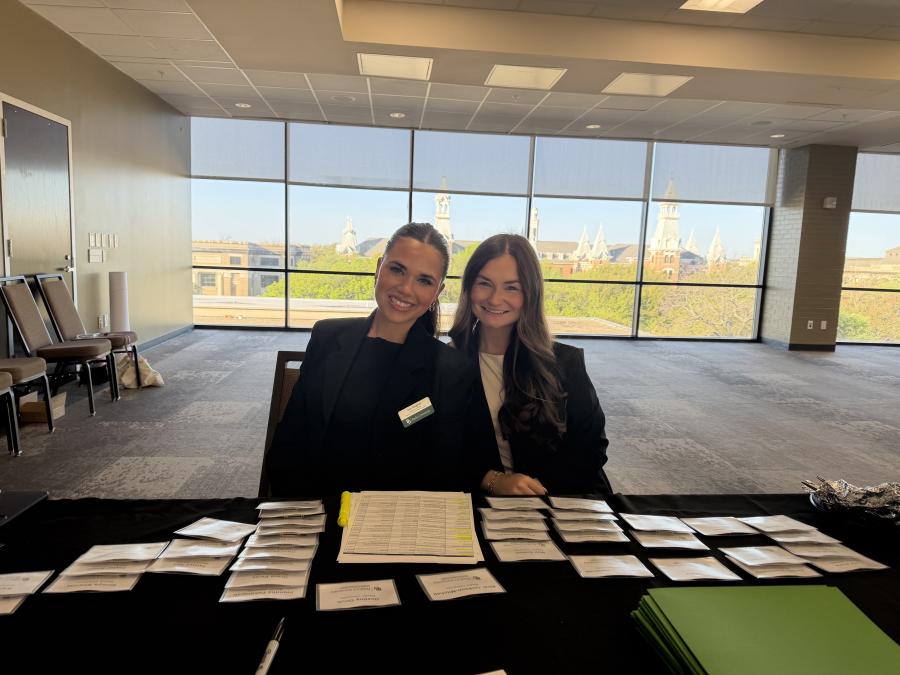
From the outset, the symposium emphasized a central theme: health outcomes are not determined solely by access to physicians or medications. Rather, they are profoundly shaped by social and environmental factors—such as living conditions, access to nutritious food and education, cultural norms, and systemic legal and societal barriers.
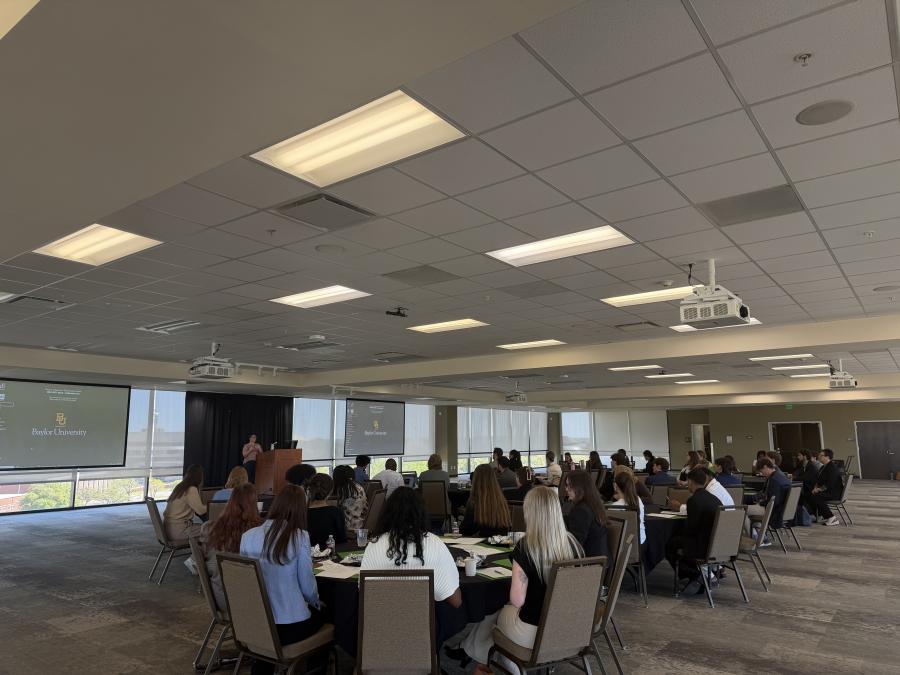
To begin the day, Licensed Clinical Social Worker and instructor at Baylor University, Kerri Fisher, spoke on the importance of listening deeply to others and being prepared to respond to their unique needs. She encouraged attendees to approach healthcare and human interaction with humility—recognizing personal biases, engaging in thoughtful research, and reflecting on the broader role of institutions. Her message was clear: no relationship or situation fits a one-size-fits-all model, and meaningful care begins with understanding.
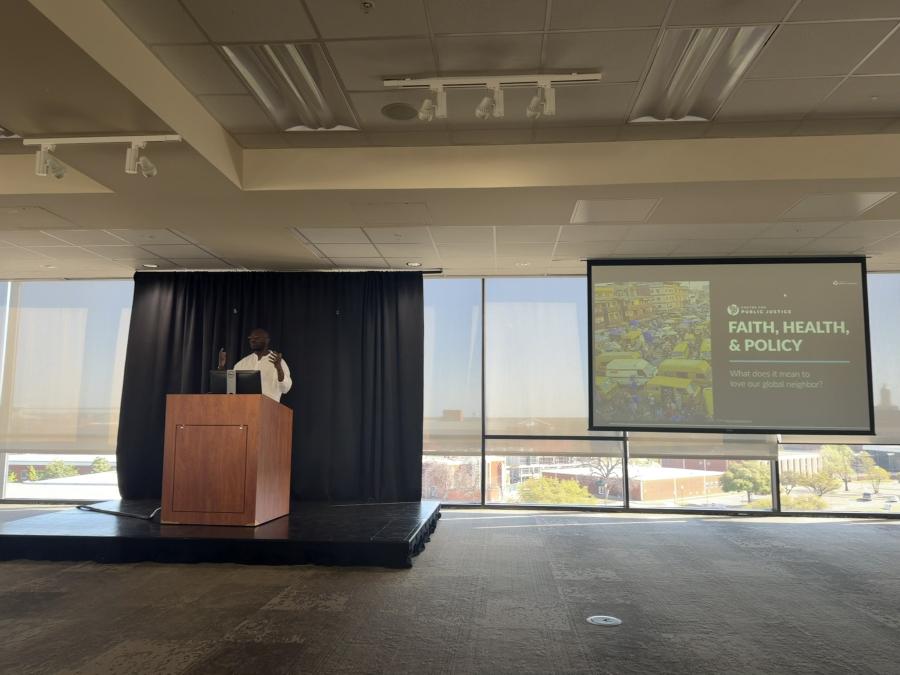
Next, Shem Opolot of the Center for Public Justice in Washington, D.C., offered a compelling perspective on global health. Referencing the parable of the Good Samaritan, Opolot challenged attendees to consider how care often transcends cultural and geographic boundaries. He highlighted the historical roots of global health, particularly the role of colonization, and argued that public health professionals must also be historians—attuned to the contexts that continue to shape present-day systems and inequalities.
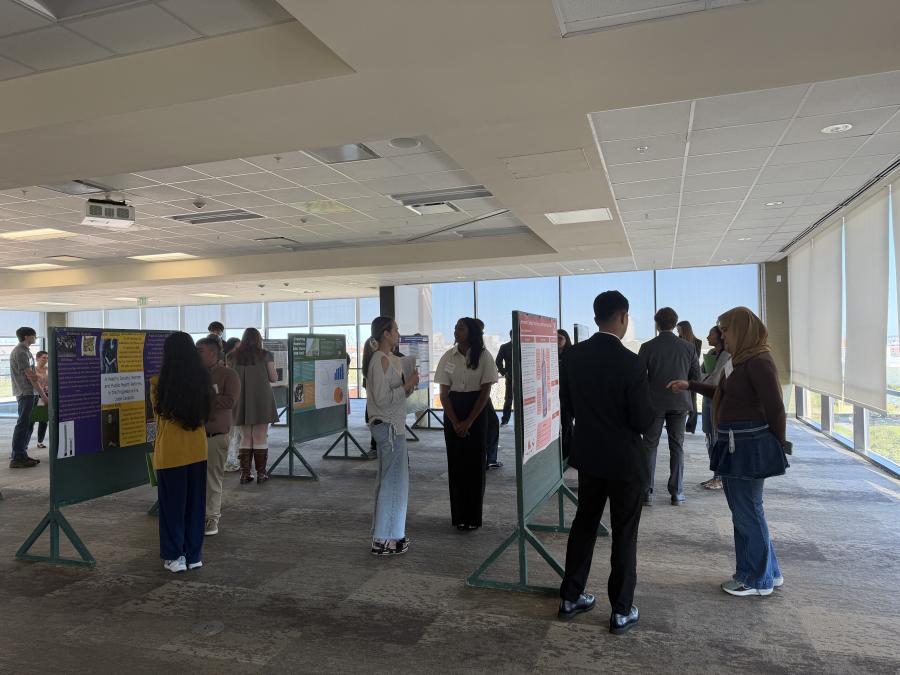
The symposium then turned to its student presenters, who showcased a wide array of research topics—from antimicrobial studies in global settings to ethical questions surrounding surrogacy. This segment not only highlighted the intellectual curiosity and dedication of participating students but also demonstrated the strength of interdisciplinary approaches in addressing complex health issues. Attendees engaged directly with presenters, fostering thoughtful discussion and deeper understanding.
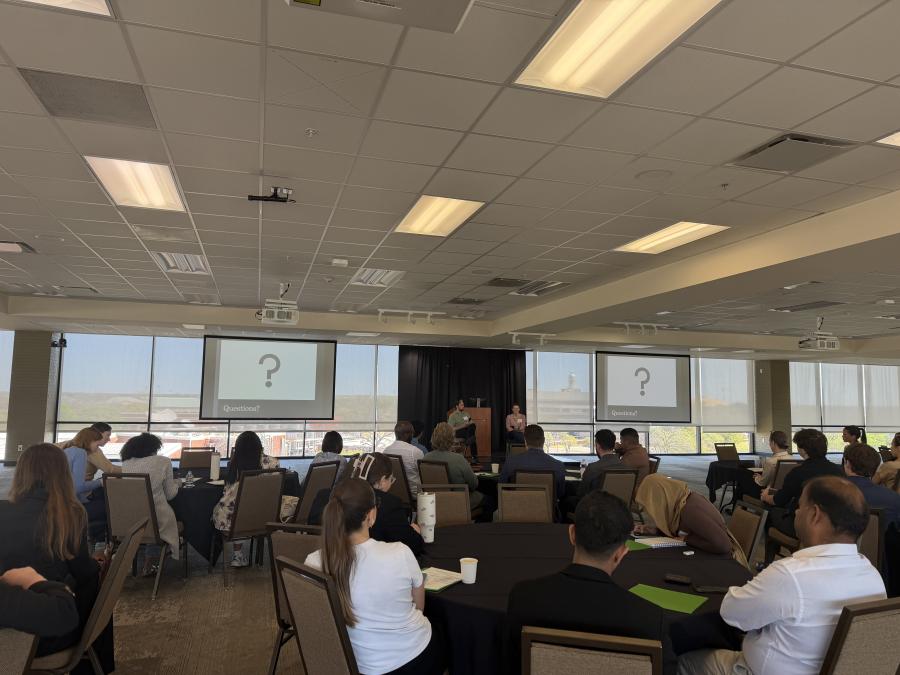
Following the student presentations, Dr. Katie Altahif and Dr. Daniel Truesdale shared insights from their clinical practice. Dr. Altahif, a palliative care physician, reflected on the realities patients face beyond medical settings, emphasizing that healthcare cannot be treated as an isolated variable. Dr. Truesdale reinforced this perspective by discussing the social determinants of health and their impact on patients’ ability to access and benefit from care. Both speakers highlighted the value of collaborative spaces like the symposium, where diverse perspectives can converge to address pressing healthcare challenges.
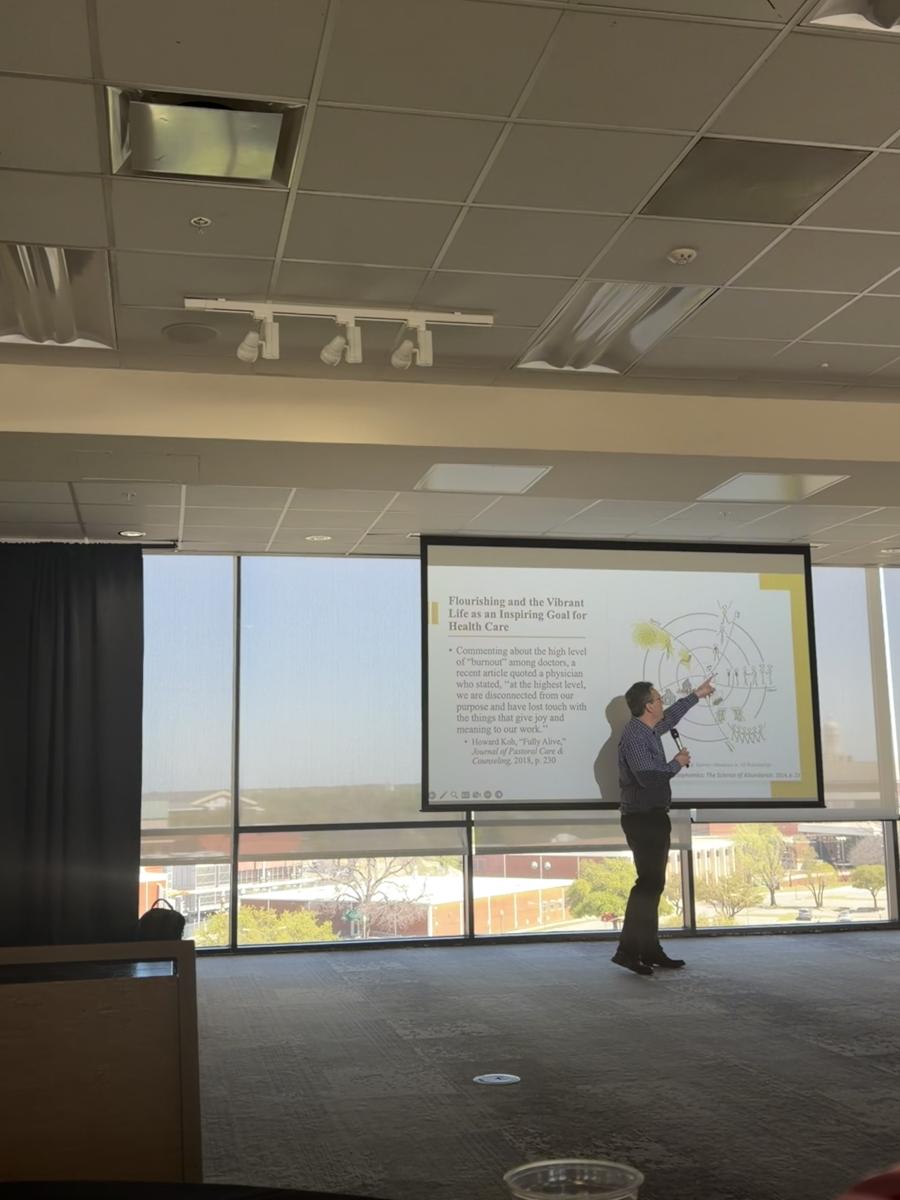
The event concluded with a thought-provoking talk by Dr. Matthew Lee, affiliated with Baylor’s Institute for Studies of Religion and Harvard’s Human Flourishing Program. Focusing on the concept of human flourishing in both life and death, Dr. Lee emphasized the foundational role of social connection. His remarks echoed the symposium’s overarching message: that medicine is not only about diagnosis and treatment, but about fostering genuine human relationships and care.
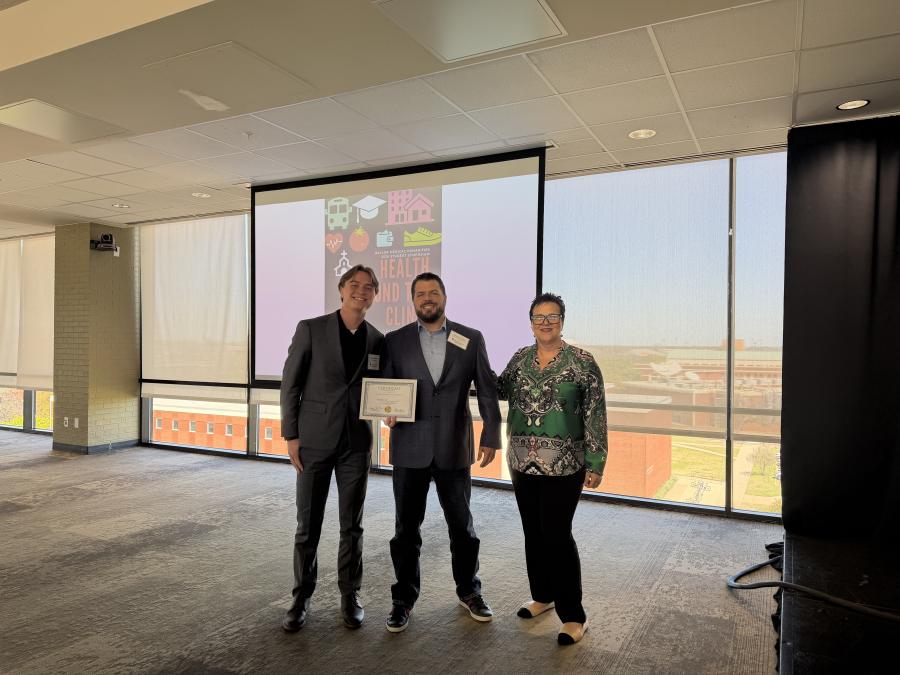
As its first event of this kind, the Student Symposium marked a significant step forward for the Medical Humanities Department—creating a space where scholarship, compassion, and collaboration intersect to reimagine the future of healthcare.